
Understanding ecosystems through the lens of animal interactions
We're building a learning platform that focuses on how species coexist, compete, and shape their environments. Since 2016, we've been refining our approach to teaching animal ecology with clear explanations and real examples from the field.


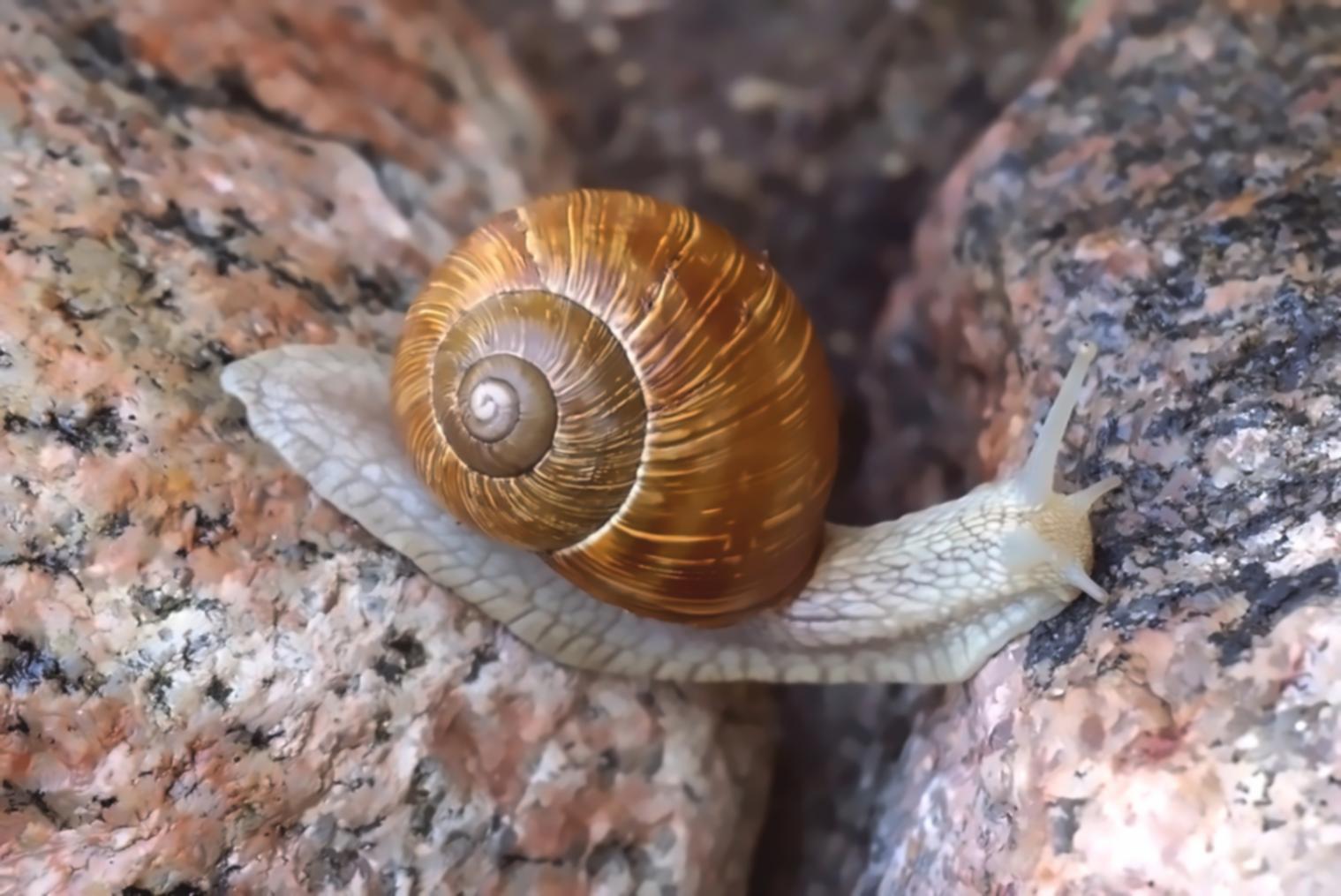
Why study animal ecology now
Environmental consulting firms, conservation projects, and research institutions need people who understand how animal populations actually work. Not theoretical models—practical knowledge about species behavior, habitat requirements, and ecosystem dynamics.
Conservation planning
Protected areas need managers who can assess habitat quality, predict species responses to management actions, and justify budget decisions with solid ecological data.
Impact assessment
Development projects require environmental reviews. Companies hire ecologists who can survey wildlife, identify sensitive species, and recommend mitigation measures that actually work.
Research positions
Universities and government agencies conduct long-term monitoring programs. They look for people who understand population dynamics, can design field studies, and interpret ecological patterns.

Where our students work
After finishing our program, people take different paths. Some join conservation NGOs doing field surveys. Others work for environmental consultancies writing impact reports. A few continue into graduate research.
What they have in common: they can identify ecological relationships quickly, design sampling protocols that yield useful data, and communicate findings to non-specialists.
Adjust the pace to your schedule
Some students complete modules quickly during breaks from their current jobs. Others spread the material over several months while working full-time. The platform tracks your progress but doesn't enforce deadlines.
How the material stays engaging
Video annotations
Pause at key moments to examine species identification details or habitat features frame by frame
Data exercises
Work with actual field datasets to practice analysis techniques and interpretation methods
Case studies
Review documented conservation projects with outcomes data showing what worked and what didn't
Self-checks
Quick assessments after each section to verify you're understanding core concepts before moving forward
Content builds systematically
Each module assumes you've absorbed the previous material. We don't jump between difficulty levels—concepts layer naturally from basic observation skills to complex community analysis.
Species identification
Learn recognition patterns for common taxa, focusing on field marks and behavioral cues. Practice with image sets until identification becomes automatic.
Population methods
Study sampling techniques, density estimation, and mark-recapture protocols. Understand when to use each method and how to calculate confidence intervals.

Community structure
Analyze species interactions, food webs, and niche partitioning. Work through examples showing how communities respond to disturbance and environmental change.

Pricing that reflects actual costs
We pay field biologists to review content, maintain video hosting, and update material when research findings change. These options cover those expenses while keeping access affordable.
Foundation
- Core lecture videos
- Reading materials
- Basic exercises
- Progress tracking
- Email support
Complete
- All foundation content
- Field case studies
- Data analysis tools
- Practice datasets
- Priority support
- Certificate option
Full program
- Complete curriculum
- Mentor feedback
- Live Q&A sessions
- Career guidance
- Alumni network
- Lifetime updates
What students say after finishing
I went from knowing almost nothing about population ecology to conducting my own small-scale surveys. The progression made sense, and the field examples helped me understand why certain methods matter.
Raimond Kask
Now working on wetland restoration project
The platform let me move through statistical concepts at my own speed. I could replay sections until the analysis methods clicked, which wouldn't have been possible in a traditional classroom.
Lijsbeth Verbeke
Environmental consultant for infrastructure projects